
 China
China

Gas generator sets are widely used in primary power, backup power, and distributed energy applications, and are particularly well-suited for applications where gaseous fuel supplies are abundant. Compared to traditional diesel generator sets, gas generator sets offer significant advantages in terms of operational economy and fuel flexibility. However, selecting the right gas generator set requires more than just comparing rated power and price.
Before making a purchase, AGG recommends considering the following seven key factors.
1. Know Which Gas Fuel Is Available
Not all gas generator sets are designed for the same type of fuel. Depending on the specific project, available fuels may include natural gas, biogas, liquefied petroleum gas (LPG), or coalbed methane. Factors such as fuel composition, pressure, methane content, calorific value, and impurity levels can all affect engine performance. Before purchasing a generator set, the available fuel should be analyzed to ensure that the selected engine is compatible with the fuel’s characteristics.
2. Match the Generator to Your Load Profile
Determining the required power capacity is only the first step. In addition, load variations during operation must be taken into account, including motor starting current, fluctuating loads, peak demand, and continuous operating time. For demanding applications, selecting a gas generator set with sufficient capacity and appropriate load response characteristics helps ensure stable system operation and avoids unnecessary over-sizing.
3. Consider Fuel Consumption and Efficiency
Fuel consumption directly affects the overall operating costs of gas generator sets. When comparing different models, one should not focus solely on the initial purchase price but also evaluate power generation efficiency, gas consumption at various load levels, the projected annual operating hours, and the quality and reliability of the generator set brand.
Generator sets with higher efficiency and better quality often deliver greater value over their entire service life, particularly in primary power applications with high utilization rates.
4. Evaluate Maintenance Requirements
Before making a purchase, you should comprehensively consider maintenance intervals, parts availability, maintenance requirements, and technical support services. Choosing a generator set and supplier that are easy to maintain and backed by a comprehensive service network will help reduce downtime and operating costs in the long run. Additionally, it is crucial to understand the recommended maintenance schedule before finalizing your investment.
5. Check Performance Under Real Operating Conditions
Environmental conditions can have a significant impact on generator performance. During the system design phase, factors such as ambient temperature, altitude, humidity, dust, ventilation, and installation conditions should be evaluated. For applications requiring reliable operation under harsh conditions, generator sets should be selected and configured based on the actual project environment, rather than solely on standard laboratory rating parameters.
6. Look at the Complete Power System
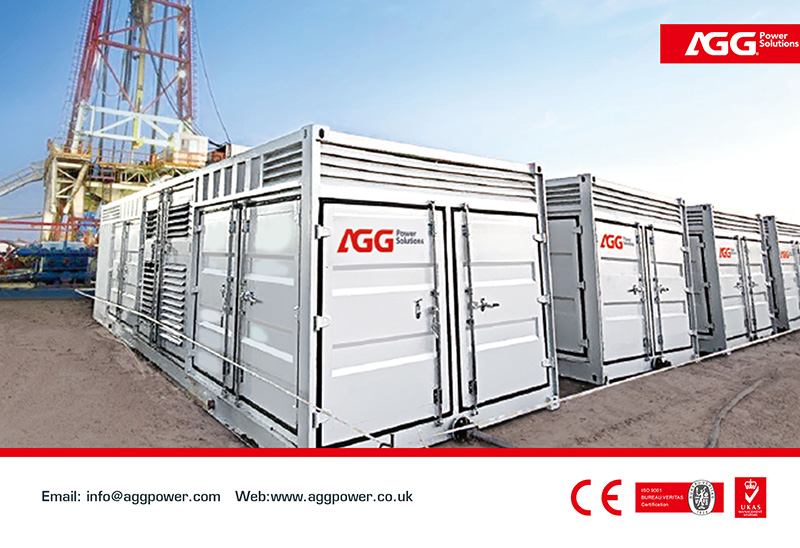
Gas generator sets are just one component of a power system. Depending on specific application requirements, a comprehensive solution may also include automatic transfer switches, synchronization and parallel control devices, transformers, high-voltage equipment, remote monitoring systems, gas supply systems, or custom-designed enclosures for the generator sets.
Taking the entire system into account from the very beginning of a project helps ensure compatibility and operational reliability among all components and simplifies the project implementation process.
7. Choose a Supplier with Power-Solution Expertise
An ideal supplier offers far more than just the generator sets themselves. For complex projects, engineering capabilities, product integration, technical support, commissioning, and after-sales service are just as important as the equipment itself.
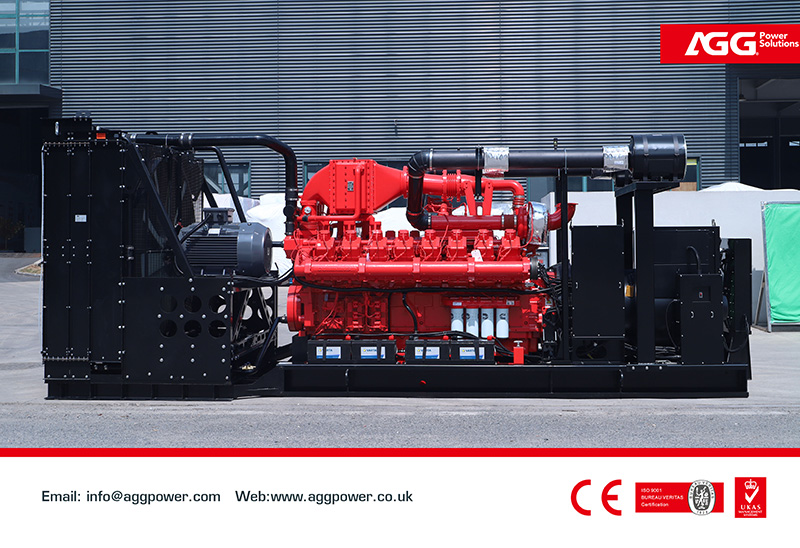
AGG offers gas generator sets with power ratings ranging from 80 kW to 4,500 kW, designed specifically for applications requiring efficient and reliable power generation. Depending on the specific engine model and fuel conditions, AGG gas-fired generator sets can be adapted to a variety of gaseous fuels, including natural gas, biogas, liquefied petroleum gas (LPG), and coalbed methane.
AGG gas generator sets feature low fuel consumption, long maintenance intervals, and durable, reliable performance. They comply with the ISO 8528 G3 performance standard and are widely applicable to various industrial and commercial applications.
More importantly, AGG is committed to tailoring power solutions to meet specific project requirements. Whether considering fuel characteristics, load profiles, on-site conditions, operating modes, or system configurations, AGG works closely with customers and partners to develop the most suitable solution, rather than adopting a "one-size-fits-all" approach.
When selecting a gas generator set, the best choice is not necessarily the lowest-priced product, but rather a solution that provides reliable performance, controllable operating costs, and long-term value for your specific project.
Learn more about AGG: https://www.aggpower.com/
Email AGG for power support: [email protected]
Post time: Sep-08-2026