
 China


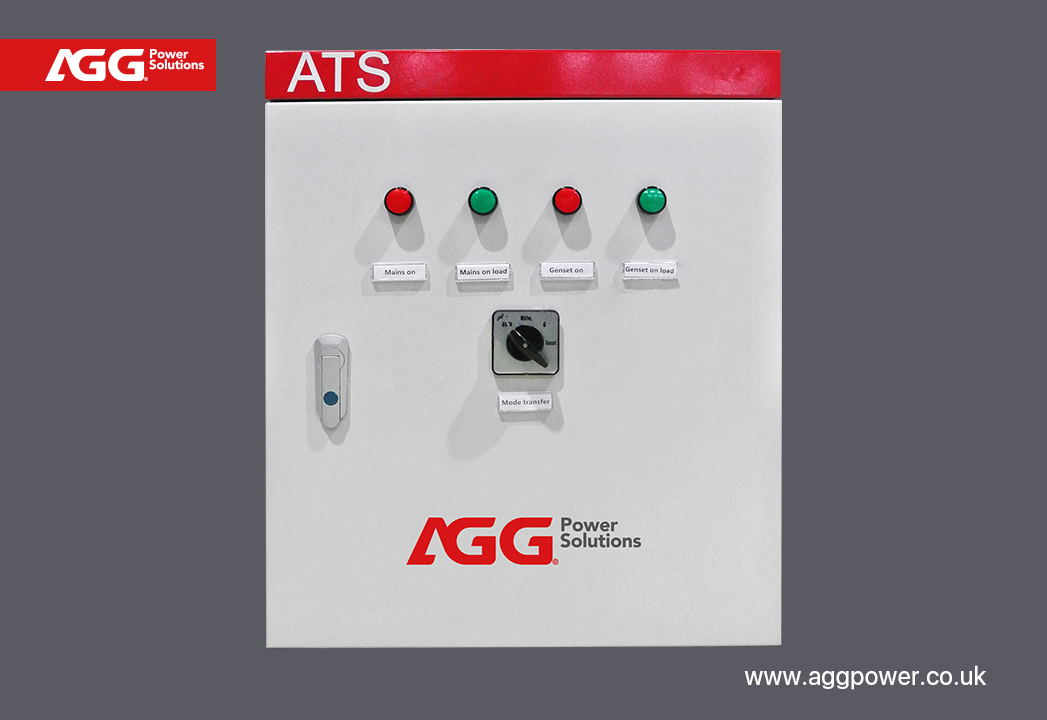
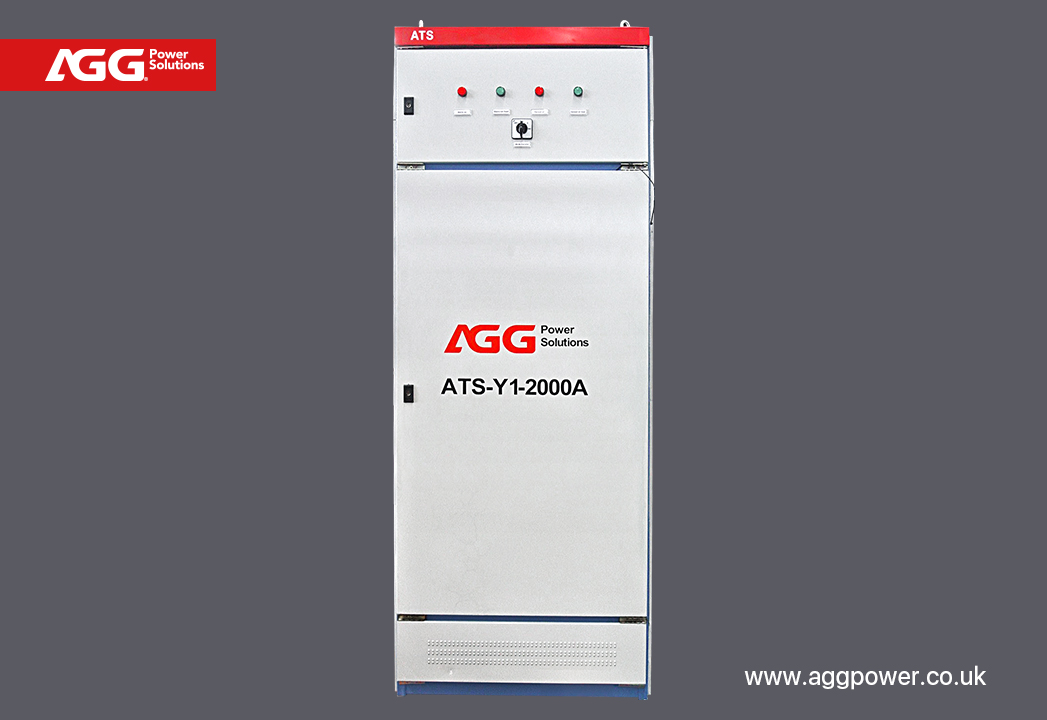
An Automatic Transfer Switch (ATS) is a critical component in a generator set system, capable of automatically switching the electrical load between the main power source and the backup generator set. However, overheating of the generator set's ATS can lead to equipment damage, unexpected power outages, and potential safety hazards. AGG recommends that understanding the common causes of this issue and implementing effective preventive measures will help ensure the reliability of the power supply and extend the service life of the equipment. This article provides some insights on this topic.
Common Causes of Generator Set ATS Overheating
1. Loose or Poor Electrical Connections
Loose terminals, worn contacts, and improper wiring can increase resistance, causing the equipment to overheat during operation. Over time, this may lead to reduced insulation performance, contact damage, or even arcing.
2. Overloading and Excessive Current
When the electrical load exceeds the rated capacity of the ATS (Automatic Transfer Switch), excessive current can cause internal components and connections to overheat. Frequent load fluctuations or improper equipment selection can also exacerbate thermal stress.
3. Worn or Damaged Contacts
Frequent switching between mains power and generator set power can cause electrical contacts to gradually wear down. Oxidation, contamination, or performance degradation of the contacts may lead to increased resistance, thereby compromising the Automatic Transfer Switch’s (ATS) ability to safely switch power sources.
4. Poor Ventilation and High Ambient Temperatures
If an automatic transfer switch (ATS) is installed in an enclosed space or an area with poor ventilation, its heat dissipation may be compromised. Additionally, high ambient temperatures and dust accumulation can further impair its heat dissipation performance.
5. Improper Installation or Maintenance
Improper cable sizing, inappropriate equipment selection, and inadequate maintenance can all lead to overheating. Without regular inspections, early warning signs may be overlooked until the system fails.
How to Prevent ATS Overheating Problems
Preventive maintenance ensures the safe and reliable operation of automatic transfer switches (ATS). The following measures help reduce the risk of overheating:
- Inspect electrical connections: Have a qualified technician inspect the condition of terminals, cables, and contacts, and tighten connections in accordance with the manufacturer’s specifications.
- Manage electrical loads: Ensure that the ATS’s rated parameters match system requirements, and monitor current levels to prevent overloading.
- Maintain proper ventilation: Ensure the interior of the electrical cabinet is clean and unobstructed, and verify that the installation environment meets temperature and ventilation requirements.
- Schedule regular maintenance: Inspect the switching mechanisms, contacts, insulation systems, and protective devices according to the manufacturer’s recommendations.
- Monitor operating conditions: Closely monitor for abnormal temperatures, a burning smell, discoloration, or unusual switching behavior. If overheating is suspected, take safety measures to isolate the equipment and arrange for a professional inspection.
When conducting thermal imaging inspections, appropriate equipment must be used and safety operating procedures must be followed. Unless the work is performed by qualified personnel in accordance with approved safety operating procedures, it is strictly prohibited to open or service live electrical equipment.
How AGG Hybrid Generator Sets Support Reliable Power Supply
In addition to maintaining the automatic transfer switch (ATS) itself, selecting the appropriate power system also helps improve overall energy efficiency and operational reliability.
AGG hybrid power generation unit integrates a diesel generator set, a battery energy storage system, a hybrid inverter, and a smart energy management system (EMS). By coordinating these components, the system can effectively manage various energy sources based on load demand and battery status.
In solar mode, available solar energy powers the load, and any excess electricity is used to charge the battery. When solar power generation is insufficient, the system switches to battery mode to maintain power supply. Once the battery charge level drops to a preset threshold, the system enters generator set mode, automatically starting the diesel generator set to power the load and charge the battery. Once charging is complete, the generator set stops running, and the system reverts to battery or solar power mode based on actual conditions.
This intelligent energy management approach not only reduces unnecessary generator set runtime and fuel consumption but also ensures the continuity of the power supply. However, the hybrid power supply mode cannot completely eliminate the risk of overheating in the automatic transfer switch (ATS); therefore, proper equipment selection, electrical protection measures, standardized installation, and routine maintenance remain critical.
Generator set ATS overheating can result from poor connections, excessive current, worn contacts, inadequate ventilation, or insufficient maintenance. Regular inspections, correct equipment sizing, and effective thermal management are key to preventing failures. Combined with intelligent power solutions such as AGG hybrid generator sets, these practices can help users build a more efficient and dependable power supply system.
Learn more about AGG: https://www.aggpower.com/
Email AGG for power support: [email protected]
Post time: Oct-12-2026