
 China
China

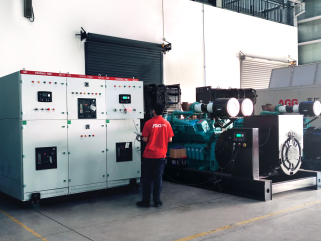
Generator set power distribution cabinet plays a critical role in controlling, protecting, and distributing power from the generator to connected loads. During operation, these cabinet must withstand high currents and frequent switching operations. If the heat generated inside the cabinet cannot be effectively controlled, it may lead to overheating, which can compromise system reliability, shorten the equipment's service life, and even pose potential safety hazards.
AGG helps you understand the common causes, risks, and preventive measures related to overheating in generator set distribution cabinets, which is crucial for ensuring a safe and stable power supply.
Common Causes of Generator Distribution Cabinet Overheating
1. Overload Operation
One of the most common causes of overheating is when the operating load of the generator system exceeds the rated capacity of the cabinet.
When the electrical load exceeds the cabinet's design current capacity, components such as circuit breakers, busbars, and cable connections can overheat. Prolonged operation under overload conditions accelerates component aging, reduces insulation performance, and ultimately leads to equipment failure.
2. Loose Electrical Connections
Loose terminals, cable joints, or busbar connections can cause an increase in contact resistance. When current flows through these high-resistance points, it generates additional heat, leading to localized hot spots. Regularly inspecting and tightening electrical connections can effectively prevent overheating and ensure stable current transmission.
3. Poor Ventilation and Heat Dissipation
Generator distribution cabinets require adequate ventilation to dissipate the heat generated during operation. Blocked vents, improper installation of the cabinet, excessive dust buildup, or insufficient space for heat dissipation can all reduce heat dissipation efficiency. In high-temperature environments or during continuous operation, poor ventilation may cause the internal temperature of the cabinet to rise significantly.
4. Component Aging or Incorrect Selection
Electrical components such as circuit breakers, contactors, protective devices, and busbars must be properly selected based on system requirements. Aging components, mismatched specifications, or low-quality parts can all lead to abnormal overheating during operation. Using reliable, appropriate components and performing regular maintenance helps maintain the system’s long-term performance.
5. Harmonic Currents and Electrical Faults
In certain applications, nonlinear loads can generate harmonic currents, which increase losses in electrical components and cause additional heat generation. At the same time, electrical faults such as short circuits, insulation degradation, or abnormal currents can also cause the temperature inside the cabinet to rise rapidly.
Risks of Generator Cabinet Overheating
Overheating in a generator set power distribution cabinet should not be ignored, as it can result in:
* Reduced equipment lifespan: Prolonged exposure to high temperatures can accelerate the aging of insulation materials and electrical components.
* Power interruptions: Damage to circuit breakers, connection points, or protective devices may lead to unexpected downtime.
* Safety hazards: Severe overheating may increase the risk of electrical failures or fires.
* Reduced system reliability: Unstable power distribution may impact critical applications such as data centers, industrial facilities, and infrastructure projects.
For both backup and primary power systems, maintaining reliable power distribution equipment is essential to ensuring an uninterrupted power supply.
How to Prevent Generator Distribution Cabinet Overheating
Regular Inspection and Maintenance
Routine inspections should include checking cable connections, measuring temperatures at key points, cleaning dust from inside the cabinet, and verifying the operational status of protective devices. Installing temperature monitoring equipment can effectively help detect abnormal temperature increases before a failure occurs.
Proper System Design and Cabinet Selection
Selecting a power distribution cabinet with the appropriate capacity, adequate protective features, and a well-designed cooling system is critical to the stable operation of a generator set. The power distribution cabinet should be matched to the generator’s output power, operating environment, and application requirements. For large-scale power systems, professional engineering design and customized solutions help ensure safe and efficient power distribution.
Use High-Quality Protection and Control Components
Reliable circuit breakers, monitoring devices, and protection systems help detect abnormal operating conditions and prevent damage caused by overloads, short circuits, or electrical faults.
AGG Generator Set Power Distribution Solutions
As a complete power solution provider, AGG offers generator set power distribution solutions designed to support reliable and safe power delivery for various applications, including industrial facilities, infrastructure projects, power plants, and critical power systems.
AGG provides low-voltage output cabinets and high-voltage cabinets. Various configurations are available, including vacuum circuit breakers, microcomputer integrated protection systems, voltage transformers, current transformers, high-voltage arresters, multifunction instruments, and temperature and humidity controllers.
Beyond distribution cabinets, AGG provides related electrical accessories, customized power system design, installation support, and comprehensive after-sales service. With professional engineering expertise and a global service network, AGG helps customers build reliable, efficient, and safe generator power solutions tailored to different application requirements.
Learn more about AGG: https://www.aggpower.com/
Email AGG for power support: [email protected]
Post time: Jul-15-2026