
 China
China

Frequent rainfall and high humidity can pose challenges to the operation and service life of diesel generator sets. From moisture intrusion to electrical malfunctions and corrosion, damp environments can severely compromise performance if appropriate preventive measures are not taken. Whether used as a backup power source or for continuous operation, diesel generators in rainy environments require specific maintenance strategies to ensure their reliability, safety, and efficiency.
1. Ensure Proper Installation and Shelter
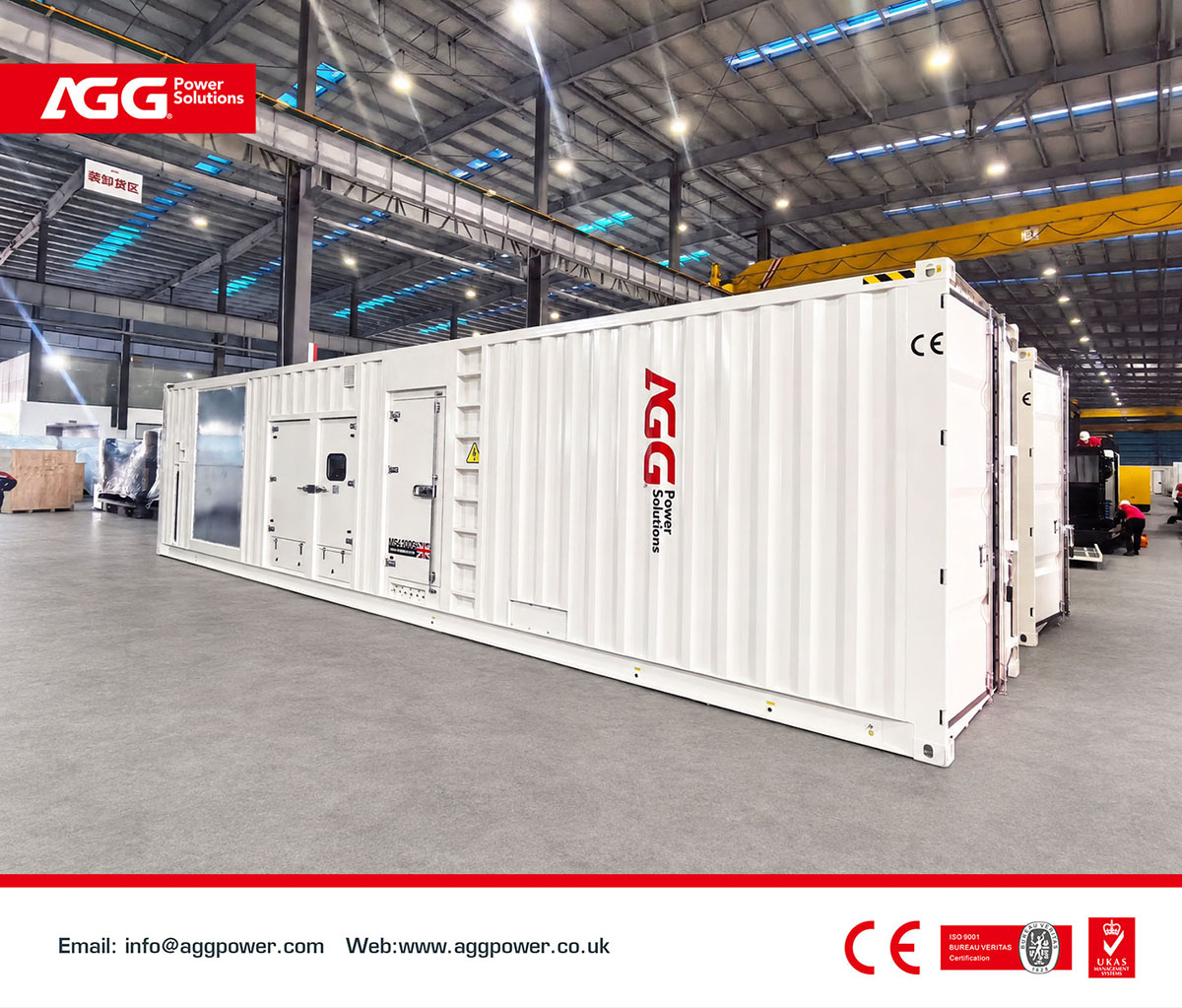
One of the most critical steps in protecting a diesel generator during the rainy season is proper installation. The generator should always be placed on elevated, well-drained ground to prevent water accumulation or flooding. It is strongly recommended to install a weatherproof canopy or install at a power room to protect the unit from direct exposure to rain.
For outdoor installations, ensure that the weatherproof canopy provides adequate ventilation while effectively preventing rainwater from entering. Avoid placing the generator in low-lying areas prone to water accumulation, as this significantly increases the risk of short circuits and corrosion.
2. Protect Electrical Components from Moisture
Moisture is one of the greatest threats to a generator's electrical system. Rain or high humidity can lead to insulation failure, short circuits, and even permanent damage to critical components such as alternators and control panels. To address this issue, the following measures are recommended:
• Regularly inspect wiring and insulation for signs of wear or moisture.
• Use moisture-resistant or waterproof connectors whenever possible.
• Ensure that the control panel remains sealed and dry.
• Consider installing anti-condensation heaters inside the generator enclosure to reduce internal humidity.
In addition, conducting regular insulation resistance tests can help detect early signs of insulation degradation caused by moisture.
3. Maintain Fuel System Integrity
Rainwater contamination in the fuel system can seriously affect the generator's performance. Water entering the diesel tank can lead to poor combustion, microbial growth, and corrosion.
- Keeping fuel tanks tightly sealed at all times.
- Regularly draining water separators and checking fuel filters.
- Storing fuel in dry, covered areas.
- Using high-quality fuel and additives to prevent water contamination and microbial growth.
Regular fuel system maintenance is especially critical during prolonged rainy periods.
4. Monitor and Maintain Lubrication System
Humidity and water exposure can degrade lubricating oil, reducing its effectiveness and potentially causing engine wear. It is essential to:
- Check oil levels and condition more frequently during rainy seasons.
- Replace oil if contamination is suspected.
- Ensure oil filters are clean and functioning properly.
Using high-quality lubricants designed for harsh environments can further enhance engine protection.
5. Prevent Corrosion and Rust
Continuous exposure to moisture accelerates corrosion on metal components. Over time, this can weaken structural parts and affect performance.
To reduce corrosion risks:
- Apply anti-rust coatings or protective paint to exposed metal surfaces.
- Inspect bolts, terminals, and connectors regularly.
- Clean and dry the generator after heavy rainfall.
- Use desiccants or dehumidifiers inside enclosures when necessary.
A proactive approach to corrosion prevention can significantly extend the service life of the generator.
6. Perform Regular Inspections and Testing
Frequent rainfall makes routine inspections even more critical. Operators should conduct visual checks before and after operation, focusing on:
- Signs of water ingress
- Loose or damaged connections
- Unusual noises or vibrations
- Proper drainage around the generator
Load testing should also be carried out periodically to ensure the generator performs reliably under real operating conditions.
7. Ensure Safe Operation Practices
Safety is paramount when operating electrical equipment in wet conditions. Always:
- Avoid operating generators with wet hands or in standing water.
- Ensure proper grounding of the generator system.
- Use waterproof cables and connectors.
- Train personnel on safe handling procedures during adverse weather.
Following strict safety protocols minimizes risks to both equipment and operators.
Operating a diesel generator in environments with frequent rainfall or during rainy seasons requires careful planning, regular maintenance, and protective measures. By focusing on moisture protection, fuel system maintenance, corrosion control, and safe operation, users can ensure that the generator continues to operate reliably and efficiently even under adverse weather conditions.
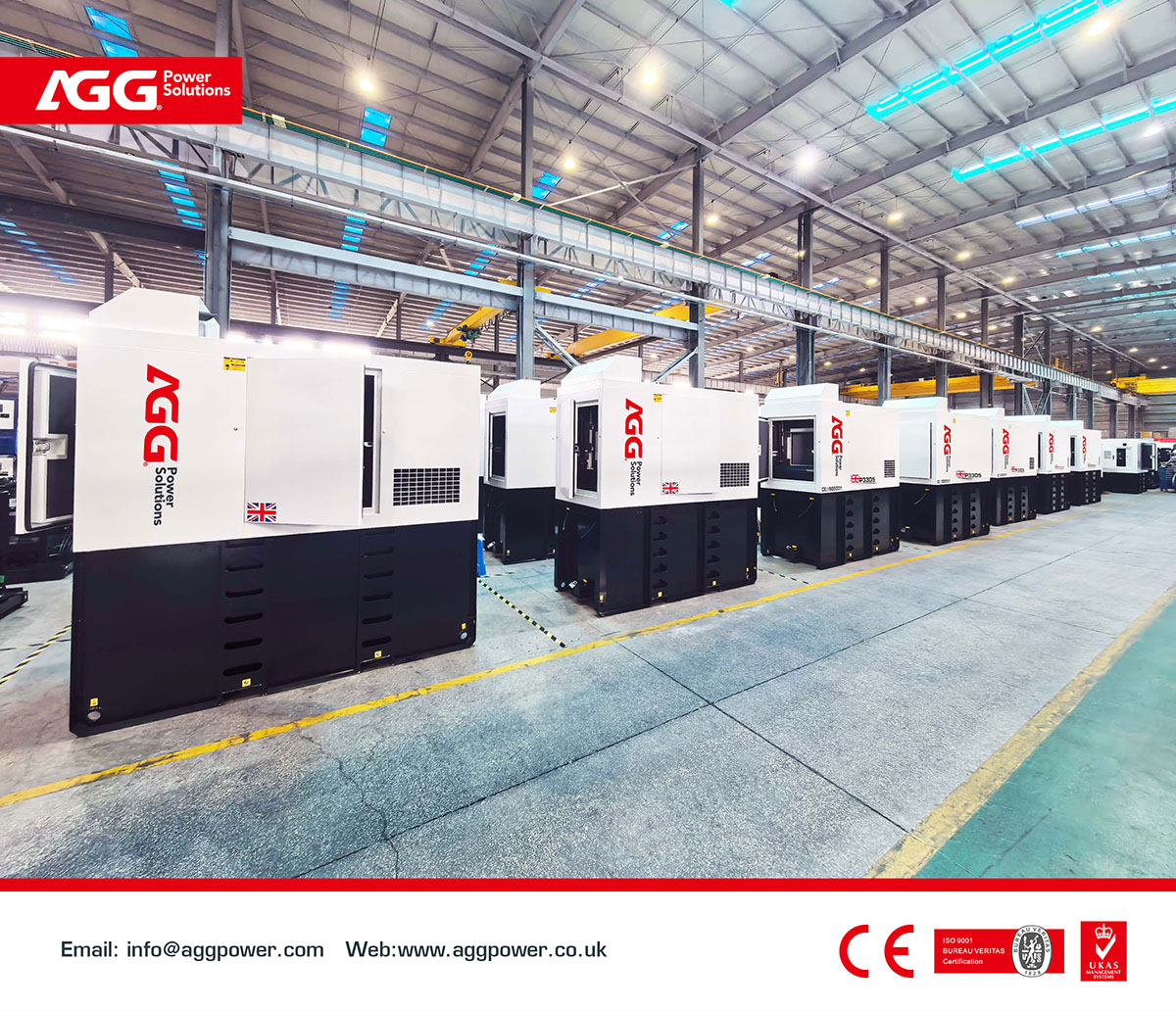
AGG offers high-quality, durable diesel generators built with reliable components that ensure stable operation even in harsh environments, including conditions of high humidity and heavy rainfall. Thanks to their robust engineering, dependable components, and weatherproof construction, AGG generators deliver consistent performance when it matters most. In addition, AGG provides comprehensive services throughout the product lifecycle—from selection and installation to maintenance and technical support—ensuring customers enjoy long-term reliability and peace of mind.
Post time: May-19-2026