
 China


Data centers require a stable and reliable power supply to keep servers, cooling systems, and critical infrastructure running continuously. When electrical loads change suddenly, backup generators must respond quickly to maintain power stability. This is where step load acceptance becomes an important performance factor in data center generator sets.
Understanding step load acceptance helps data center operators evaluate generator performance, select suitable backup power systems, and reduce the risk of power interruptions during critical operations.
What Is Step Load Acceptance?
Step load acceptance refers to a generator set’s ability to accept a sudden increase in electrical load while maintaining acceptable voltage and frequency stability.
In a data center, electrical demand can change rapidly when IT equipment, cooling systems, UPS systems, or other critical loads switch on or change operating conditions. Rather than increasing gradually, the load may rise sharply within a short period.
When this happens, the generator must respond to the increased demand. Its engine needs to supply additional mechanical power, while the alternator and control system work together to maintain stable electrical output.
A generator’s step load acceptance capability is influenced by several factors, including engine performance, alternator design, excitation systems, control strategies, and the characteristics of the connected load.
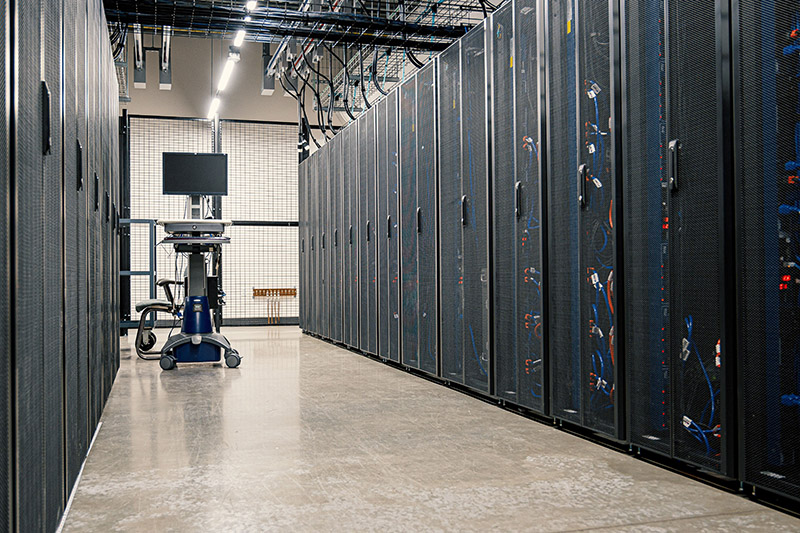
Why Is Step Load Acceptance Important for Data Centers?
For data centers, power reliability involves more than simply having sufficient generator capacity. The generator must also respond effectively to changing electrical demand.
Maintaining voltage and frequency stability: Sudden load increases can cause temporary voltage and frequency deviations. Strong step load acceptance helps limit these fluctuations and supports the reliable operation of sensitive IT and electrical equipment.
Supporting UPS and cooling systems: Uninterruptible power supplies (UPS) and cooling equipment can introduce demanding load characteristics. A generator must be capable of handling these loads within the required performance limits.
Improving backup power reliability: During a utility outage, generators may need to assume critical loads quickly. Appropriate load-step capability helps support a smoother transition to generator power, subject to the overall system design and transfer sequence.
Supporting future expansion: As data centers grow, their electrical demand and load profiles may change. Evaluating step load acceptance early helps engineers design a power system suited to both current requirements and anticipated expansion.
How AGG Supports Data Center Power Reliability
With extensive experience in data center power applications, AGG understands that reliable backup power depends on the entire system—not just the generator set itself. Each project has unique requirements in terms of capacity, load characteristics, operating environment, installation conditions, and redundancy configurations.
AGG is able to provide generator sets and customized power solutions tailored to the specific requirements of each project. By comprehensively evaluating expected load steps, UPS (uninterruptible power supply) characteristics, cooling requirements, and system configurations, AGG can assist customers in customizing the most suitable power generation equipment for their data center applications.
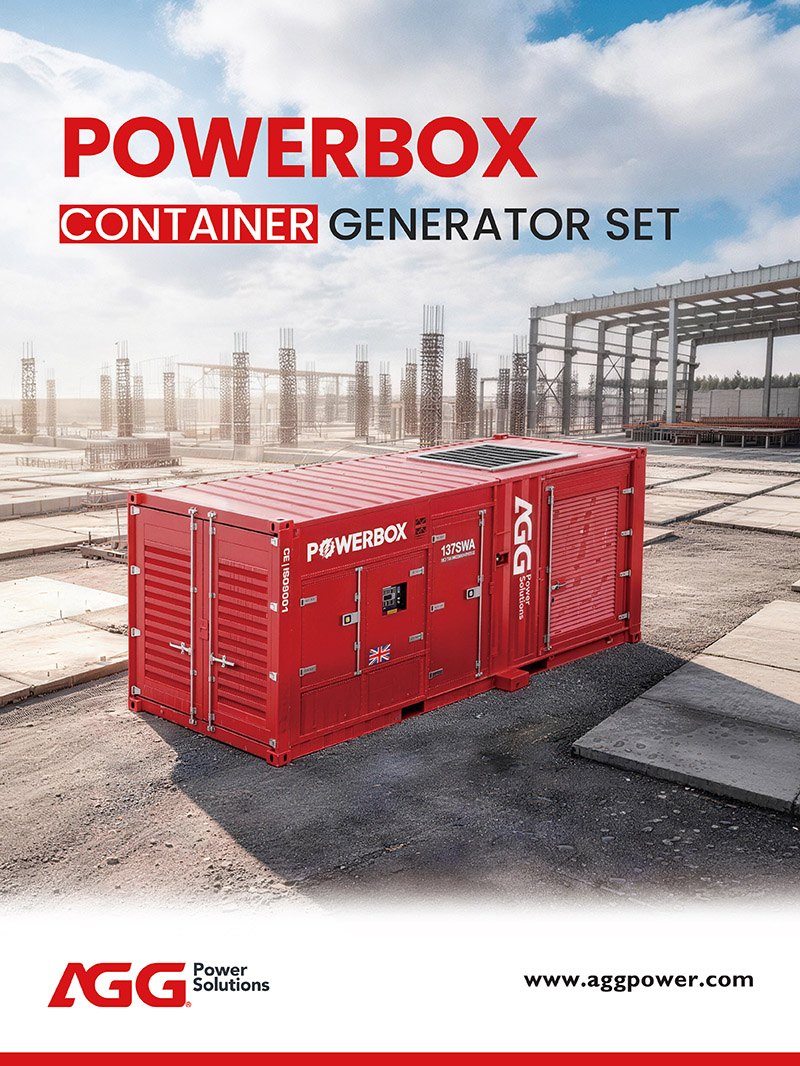
Integrated Testing for Reliable Performance
Testing plays an essential role in verifying generator set performance before delivery. AGG’s integrated testing system supports systematic inspection and performance verification throughout the manufacturing process.
Testing can help evaluate generator operation under defined load conditions, including load changes where specified by the project requirements. Relevant parameters, such as voltage, frequency, and transient response, can be assessed against applicable specifications.
This approach helps identify potential issues before installation and provides greater confidence in equipment performance. For data center projects, testing requirements should be aligned with the agreed technical specifications and commissioning plan.
Comprehensive Service and Support
Reliable data center power requires support throughout the equipment lifecycle. AGG provides comprehensive service and support to help customers address equipment selection, technical coordination, installation, commissioning, maintenance, and ongoing operational needs.
Working closely with customers and project partners, AGG helps coordinate technical requirements and develop power solutions suited to specific operating environments.
Choosing the Right Data Center Generator
Step load acceptance is a key consideration when selecting a data center generator set. Evaluating load-step requirements, transient voltage and frequency performance, system configuration, and testing procedures helps ensure the backup power system is suited to its intended application.
With data center application experience, an integrated testing system, and comprehensive service and support, AGG helps customers build reliable power solutions designed to meet the demands of critical facilities.
Learn more about AGG: https://www.aggpower.com/
Email AGG for power support: [email protected]
Post time: Oct-30-2026