
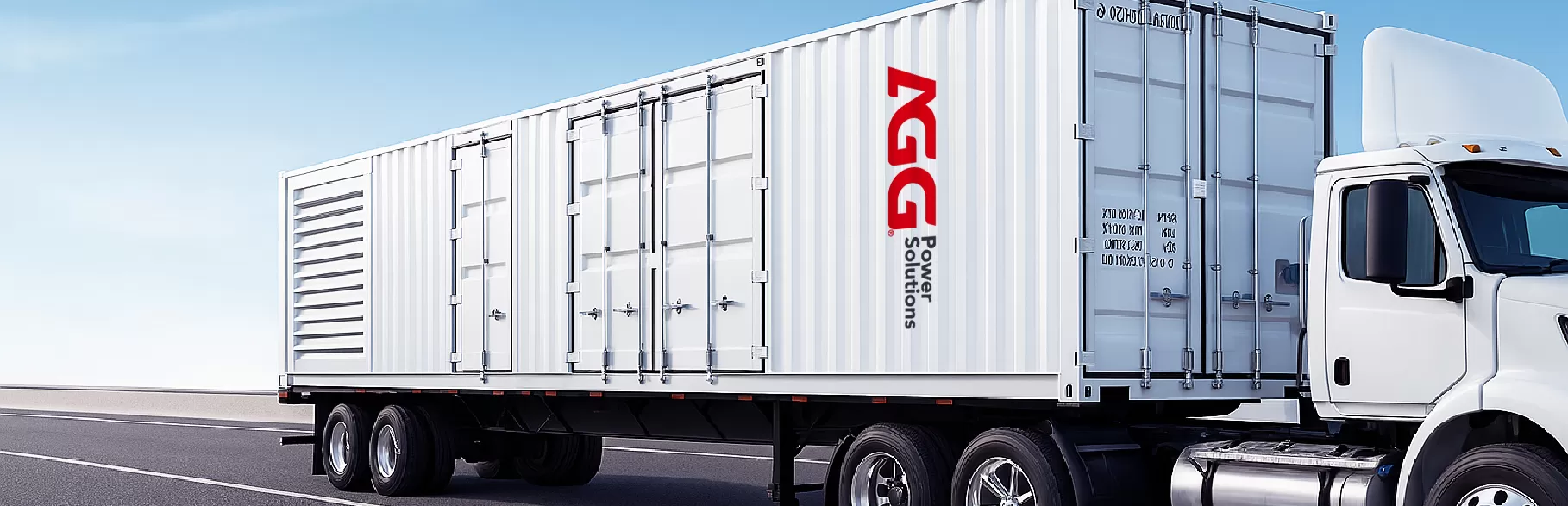
A reliable power supply is essential for industrial operations, telecommunications facilities, mining sites, communities, and infrastructure projects in remote areas. However, locations far from the public grid often face numerous challenges, such as limited access to fuel, high transportation costs, and harsh operating environments. Therefore, selecting the right power generation solution is a critical decision.
Diesel generator sets and hybrid systems are two widely used options for off-grid power supply. Although both can provide reliable electricity, they differ in terms of energy configuration, fuel consumption, operating costs, and long-term flexibility. So, which solution is better suited for remote areas?
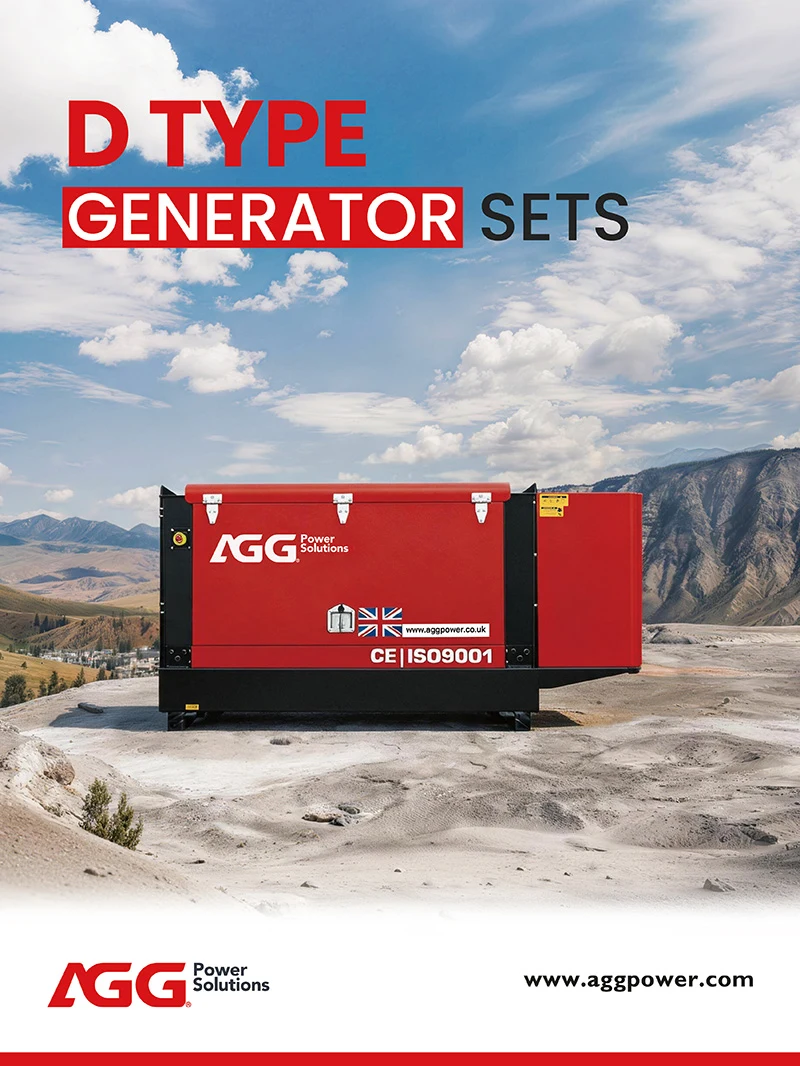
1. Diesel Generators: A Reliable Standalone Power Solution
For a long time, diesel generator sets have been the first choice for remote areas and off-grid applications. With their proven technology, high power output, and ability to operate independently without relying on the public grid, they can meet a wide variety of power needs.
Key advantages include:
• Reliable power supply: Diesel generators can provide continuous or backup power, making them ideal for applications that require stable, round-the-clock electricity.
• Flexible power capacity: Diesel generators are available in a wide range of power ratings, capable of meeting the electricity needs of both small, remote facilities and large-scale industrial operations.
• Mature and reliable technology: Thanks to a well-established technological framework and comprehensive maintenance protocols, their operation and maintenance are relatively straightforward.
• Autonomous operation: Unlike systems that rely on renewable energy, diesel generators can operate normally without sunlight or wind.
However, remote locations can make diesel fuel transportation expensive and logistically challenging. For applications with long operating hours, fuel consumption can also represent a significant portion of total operating costs.
2. Hybrid Power Systems: Combining Multiple Energy Sources
Hybrid power systems integrate a variety of energy and energy storage technologies, providing more flexible solutions for power generation. A typical configuration may include a diesel generator, a battery energy storage system (BESS), an inverter, and an energy management system (EMS), and can be combined with solar power or other renewable energy sources as needed. By coordinating these components, the system can optimize how and when electricity is generated, stored, and used.
Key advantages include:
- Reduced fuel consumption: Battery storage can supply electricity during low-demand periods, reducing the need to operate diesel generators continuously.
- Improved energy efficiency: An intelligent energy management system coordinates power generation, storage, and consumption according to actual load requirements.
- Lower generator operating hours: Reduced running time can help limit engine wear and maintenance frequency.
- Greater energy flexibility: Hybrid configurations can be adapted to different load profiles and integrated with renewable energy sources.
Hybrid systems do require additional investment in batteries, inverters, and control equipment. When designing such systems, it is also necessary to fully consider load characteristics, energy requirements, and environmental conditions.
3. Diesel Generator vs. Hybrid Power System: Key Differences
The best choice depends on the specific requirements of the project.
Comparison | Diesel Generator | Hybrid Power System |
Power source | Diesel fuel | Multiple energy sources |
Fuel consumption | Depends on operating hours and load | Can reduce fuel use through energy optimization |
Initial investment | Generally lower | Generally higher |
Operating costs | Fuel and maintenance dependent | Potentially lower fuel and maintenance costs |
Energy storage | Not typically included | Battery storage integrated |
System complexity | Relatively simple | More components and control requirements |
Renewable integration | Requires additional equipment | Designed to accommodate renewable sources |
For projects requiring straightforward, dependable power with relatively short operating hours, a diesel generator may be the more practical choice. For remote sites with continuous energy demand, high fuel costs, or opportunities for renewable integration, a hybrid power system may offer greater long-term operational benefits.
4. How to Choose the Right Power Solution for Remote Areas
Before selecting a power generation system, project owners should evaluate several important factors:
- Power demand: Understand the average load, peak demand, starting currents, and daily consumption.
- Fuel availability: Consider the distance, transportation costs, and reliability of fuel delivery.
- Operating hours: Evaluate whether the equipment needs to operate continuously or only during specific periods.
- Environmental conditions: Account for temperature, humidity, dust, altitude, and other site-specific challenges.
- Long-term costs: Compare initial investment with projected fuel consumption, maintenance, battery replacement, and operating expenses.
- Future expansion: Consider whether the system needs to accommodate additional loads or renewable energy sources in the future.
A thorough assessment of these factors helps ensure that the selected solution meets both immediate power requirements and long-term operational objectives.
5. AGG: Flexible Power Solutions for Remote Applications
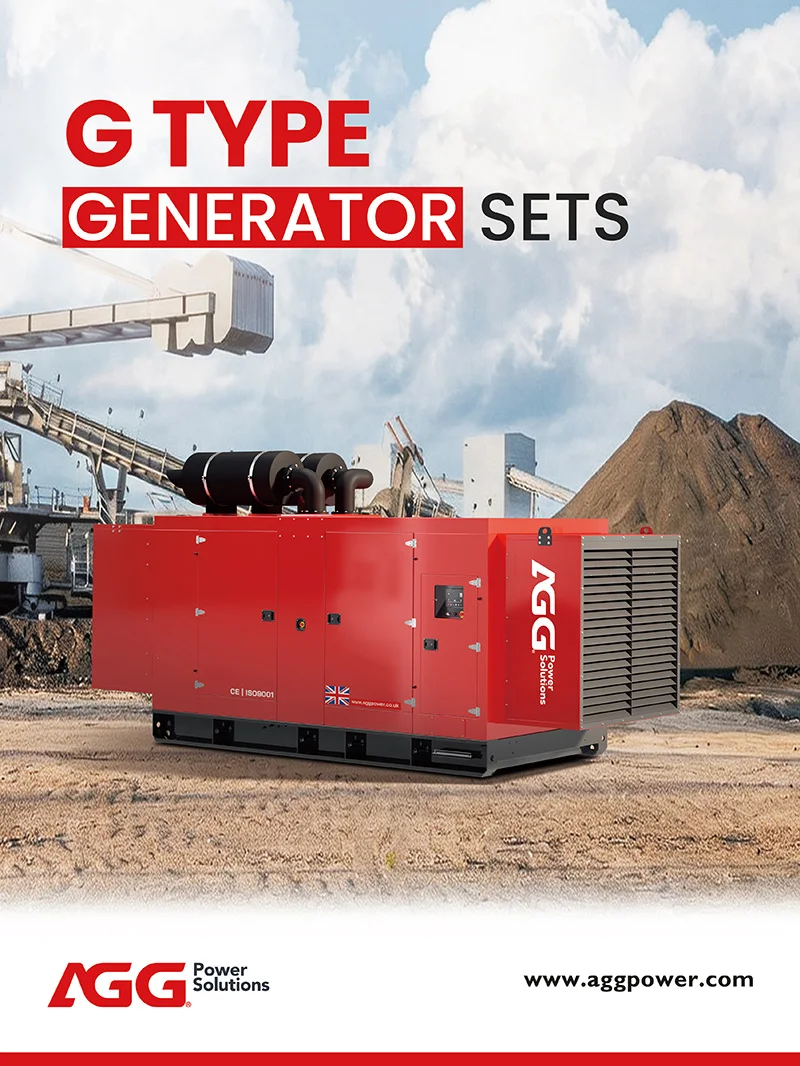
As a global provider of power solutions, AGG offers a wide range of diesel generator sets and hybrid solutions designed to meet the needs of various operating environments. AGG’s diesel generator sets have a power range of 10 to 4,000 kVA and are widely used in a variety of applications, including remote facilities, telecommunications, industrial operations, and large-scale infrastructure projects.
For applications seeking improved fuel efficiency and greater energy flexibility, AGG's HP Hybrid Power System integrates a diesel generator, battery energy storage system, inverter, and energy management system. By intelligently coordinating power generation and battery storage, the system helps reduce fuel consumption, optimize generator operating hours, and provide a more flexible off-grid power supply.
Whether you need a standalone diesel generator or an integrated hybrid system, AGG works closely with customers to tailor power solutions based on actual load requirements, on-site conditions, and operational goals.
For remote areas, there is no single definitive answer as to whether a diesel generator or a hybrid system is the better choice. In scenarios requiring an independent and stable power supply, diesel generators remain a practical and reliable option; hybrid systems, on the other hand, offer greater flexibility and help save fuel—their advantages are particularly evident during extended operating periods or when fuel logistics are challenging.
The right solution ultimately depends on the project's power demand, operating environment, fuel availability, and total cost considerations. With the right system configuration, remote operations can achieve a dependable and efficient power supply.
Learn more about AGG: https://www.aggpower.com/
Email AGG for power support: info@aggpower.com