
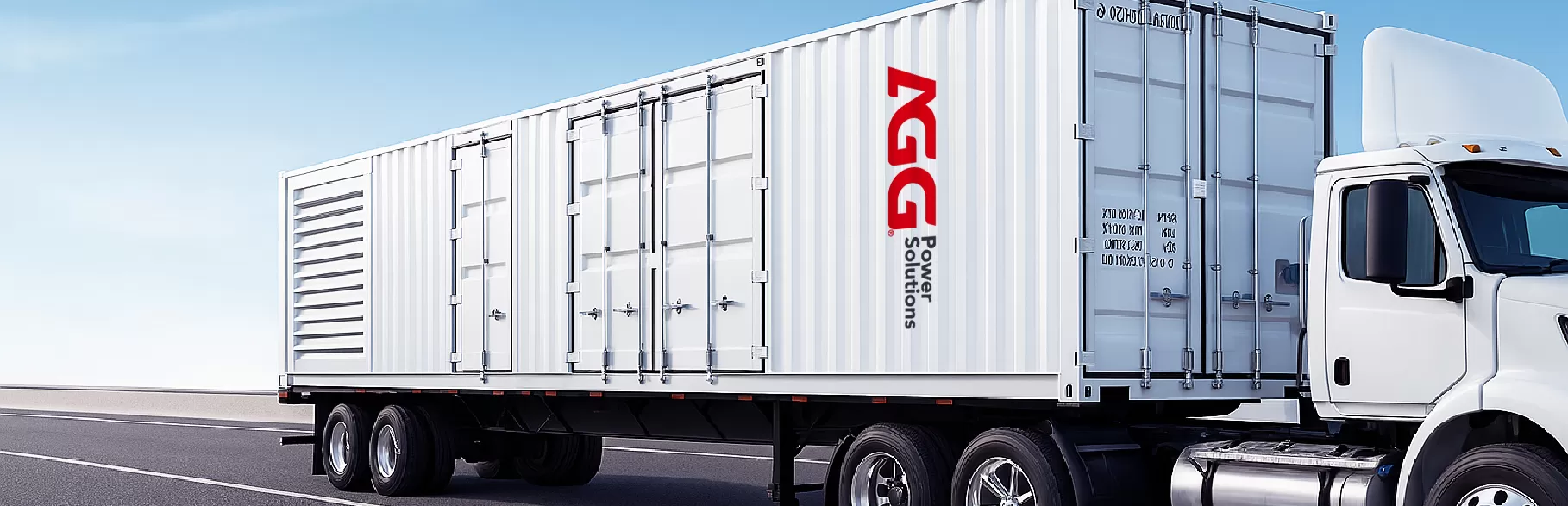
For remote areas and off-grid operations where access to the public power grid is unavailable or limited, a reliable power supply is crucial. Whether in remote islands, rural communities, mining sites, construction sites, or telecommunications facilities, a stable power supply is essential for maintaining daily operations and supporting critical infrastructure.
Selecting the right generator set requires more than simply matching the rated output power to the electrical load. Factors such as load requirements, operating conditions, fuel availability, energy efficiency, and maintenance needs all influence long-term performance. Below are six key considerations when purchasing generator sets for remote or off-grid applications.
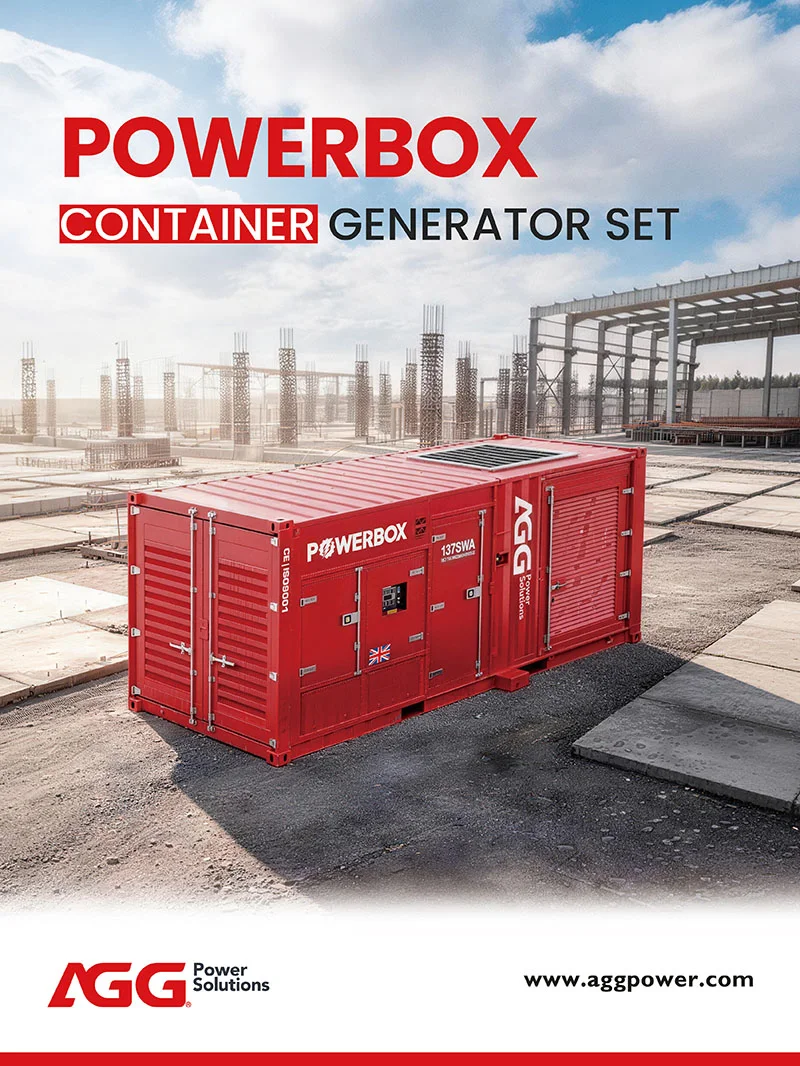
1. Calculate the Actual Power Requirements
The first step is to determine the total power demand for the application. List all equipment that will be operating simultaneously, including lighting systems, pumps, motors, heating, ventilation, and air conditioning (HVAC) systems, and other necessary loads.
Special attention should be paid to the starting current of motors, which can be significantly higher than the load during normal operation. The generator set should have sufficient capacity to meet both continuous power demands and short-term load peaks.
In addition, future expansion needs should be considered. Select a generator set with an appropriate capacity margin to meet the power demands of future equipment additions without causing unnecessary increases in initial investment or operating costs.
2. Consider the Operating Environment
Remote generator sets often operate in harsh environments, such as those with high temperatures, high dust levels, high humidity, coastal areas, or extremely cold regions.
These environmental conditions can affect engine performance, cooling efficiency, electrical components, and the overall service life of the equipment. When evaluating different generator set configurations, it is important to consider requirements related to cooling systems, air filtration, enclosure protection, corrosion resistance, and cold-weather starting capability.
For regions with underdeveloped infrastructure, it is particularly important to adopt robust designs capable of withstanding local environmental conditions.
3. Evaluate Fuel Availability and Operating Costs
When generating electricity in remote areas, fuel availability is another important consideration. Diesel generator sets are widely used because they are technologically mature, flexible to operate, and capable of meeting a variety of power needs.
However, in remote areas, the costs of transporting and storing fuel can significantly increase overall fuel expenses. Before purchasing a generator set, it is important to thoroughly assess the local fuel supply situation, delivery frequency, storage capacity, and estimated fuel consumption.
For locations with access to natural gas or other suitable gas supplies, gas-fired generator sets may be a viable option. By comparing fuel costs, maintenance requirements, and operating conditions, the most practical solution can be determined.
4. Explore Hybrid Power Solutions
For locations with available renewable energy resources, a hybrid power system can provide an additional option for improving energy efficiency.
A typical hybrid system combines a diesel generator set, battery energy storage system (BESS), inverter, and energy management system (EMS). Solar or other renewable energy sources can also be integrated where appropriate.
The system coordinates different power sources according to actual demand. Battery storage can supply loads during periods of low demand, while the generator set operates when additional power is required or battery capacity needs replenishment.
This configuration can reduce generator running hours and fuel consumption, particularly in applications with fluctuating loads. It also provides greater flexibility for managing energy supply in remote locations.
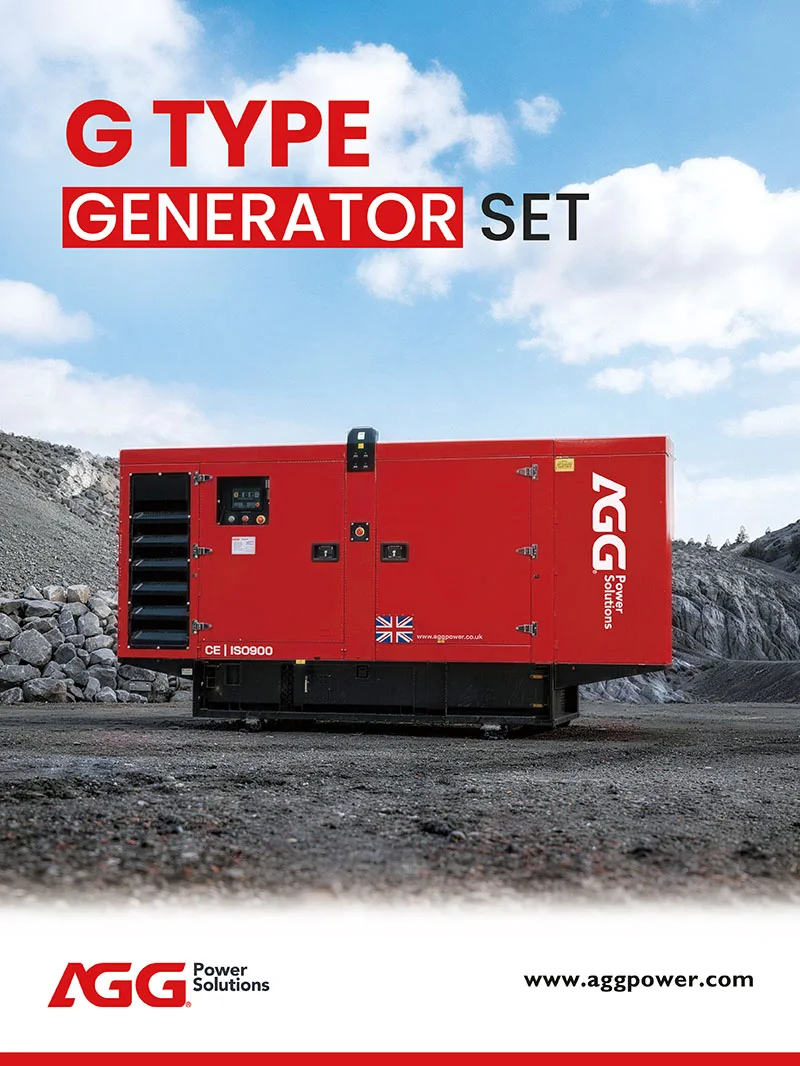
5. Assess Maintenance and After-Sales Support
In off-grid applications, ease of maintenance is often a key consideration. Equipment failures can result in costly outages, especially when maintenance personnel and spare parts are located far away. Generator sets should be selected based on components that are easily accessible, a well-planned maintenance schedule, and an adequate supply of spare parts. In addition, remote monitoring and technical support help identify potential issues early, thereby optimizing maintenance planning.
When evaluating suppliers, it is important to comprehensively assess their technical expertise, global service network, spare parts supply capabilities, and ability to provide long-term support.
6. Choose a Reliable Generator Set Manufacturer
The manufacturer's experience and engineering capabilities can make a significant difference in remote power projects. Beyond supplying standard equipment, a capable manufacturer should understand different application requirements and provide suitable configurations.
Consider manufacturers with experience in diesel and gas generator sets, paralleling systems, hybrid power solutions, and customized power projects. Their ability to support system design, equipment integration, testing, and after-sales service is equally important.
Selecting a generator set for remote and off-grid applications requires a comprehensive assessment of power demand, environmental conditions, fuel availability, operating costs, and maintenance accessibility. In some projects, a standalone diesel generator set may be the most practical choice, while others may benefit from a hybrid power system or multiple generator sets operating in parallel.
Drawing on its extensive experience in power generation solutions, AGG provides diesel and gas generator sets, hybrid systems, and customized configurations for a wide range of applications worldwide. From initial equipment selection to ongoing technical support, AGG works closely with customers and channel partners to meet diverse power needs and ensure reliable operation of equipment even in remote areas.
Learn more about AGG: https://www.aggpower.com/
Email AGG for power support: info@aggpower.com