
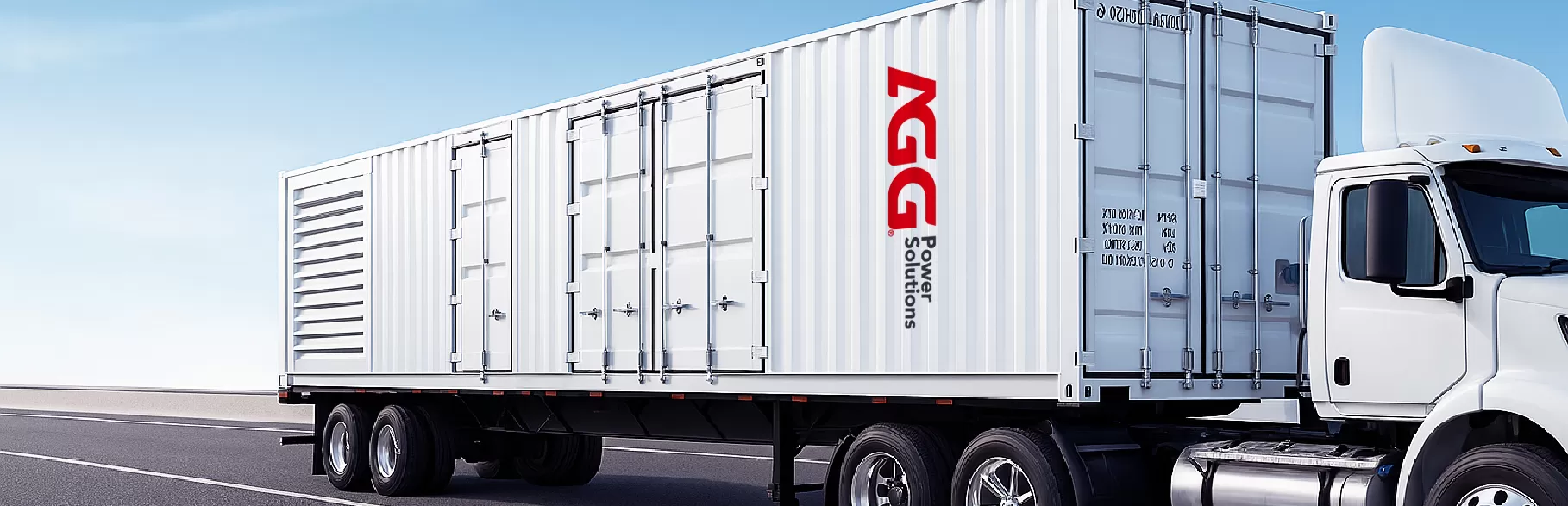
Remote islands often face unique challenges in terms of power supply. Due to limited grid access, transportation difficulties, harsh environmental conditions, and fluctuating power demand, ensuring a reliable power supply is a complex task. Whether powering island communities, resorts, industrial facilities, or public infrastructure, selecting the right generator set is crucial for maintaining a stable and reliable power supply.
As a professional provider of power solutions, AGG is committed to delivering reliable power solutions for remote island applications, drawing on its deep industry expertise, exceptional product capabilities, and extensive project experience.
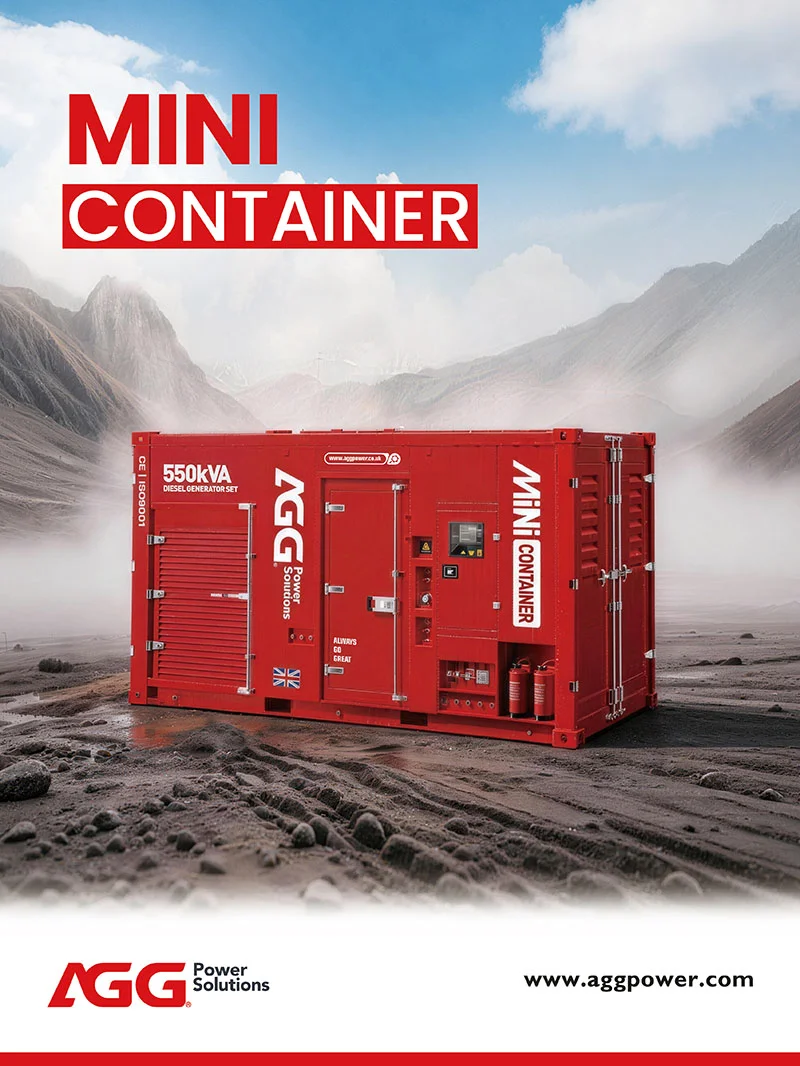
1. Understand the Island's Power Requirements
The first step in selecting a generator set is to clearly identify the actual power requirements. Projects on remote islands vary widely; they may range from small communities or tourist facilities to large-scale industrial projects. During the assessment, factors such as the total connected load, peak demand, the starting current of major equipment, and potential future expansion needs should be considered. Additionally, it is important to distinguish between continuous power supply requirements and standby power supply requirements.
An accurate load assessment helps determine the appropriate generator capacity and configuration, thereby preventing both a failure to meet demand due to insufficient capacity and unnecessary waste of investment resulting from oversizing the equipment.
2. Consider Environmental and Operating Conditions
In island environments, power generation equipment is often subjected to harsh conditions. High humidity, salty air, strong winds, high temperatures, and limited maintenance resources can all affect the performance and service life of generator sets.
When selecting a generator set, factors such as corrosion-resistant materials and coatings, an appropriate cooling system, a weatherproof enclosure, and an effective ventilation design should be taken into account. In addition, the equipment's design should be fully adapted to the specific environmental conditions of the installation site. For remote areas with limited maintenance access, the equipment's durability, ease of maintenance, and availability of technical support are also critical factors that must be prioritized.
3. Evaluate Fuel Availability and Operating Costs
For power projects on remote islands, fuel logistics are another key factor. Due to geographical conditions, fuel may need to be transported by sea or stored for long periods, which not only increases operating costs but also poses supply risks.
Diesel generator sets remain a practical choice for many island applications due to their mature technology, flexible deployment, and reliable power output. In regions with a reliable natural gas supply, natural gas generator sets are also a suitable solution.
For projects with renewable energy resources, combining generator sets with solar power generation and battery storage systems helps optimize fuel consumption while ensuring a stable power supply.
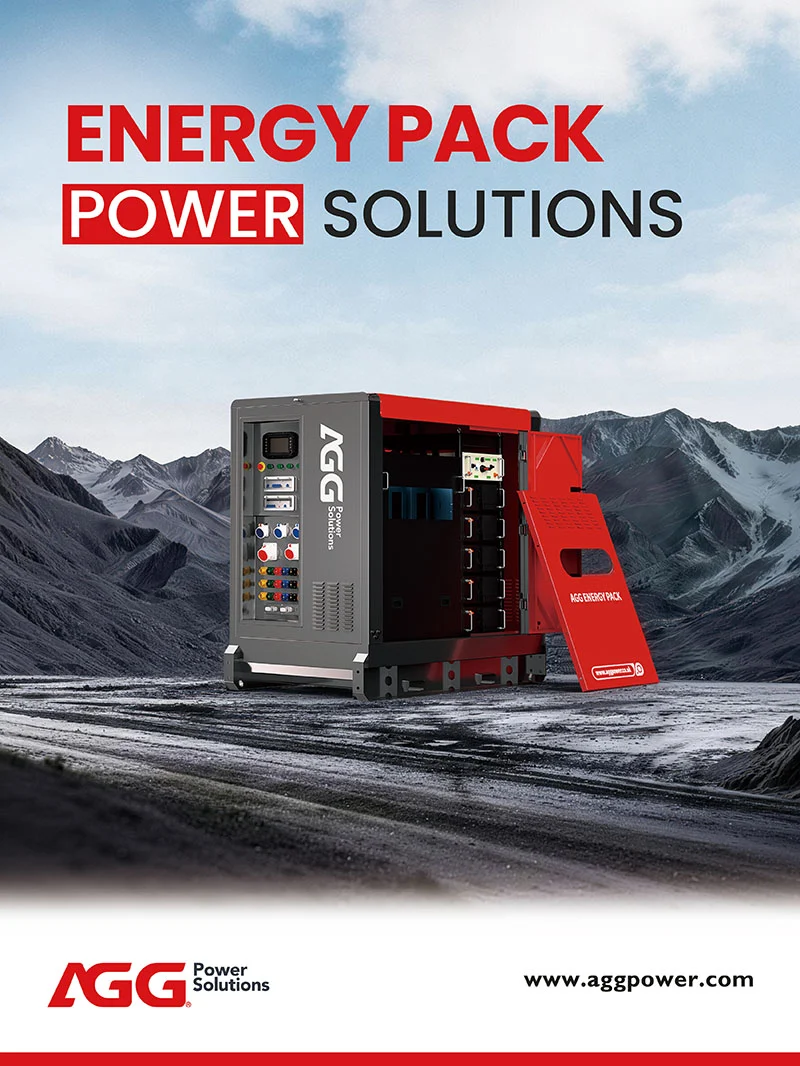
4. Choose a Flexible and Scalable Power Configuration
Electricity demand on remote islands may fluctuate due to the tourism season, population growth, and the development of new infrastructure. A flexible power configuration can adapt more effectively to these changes. By operating multiple generator sets in parallel, power output can be adjusted according to actual demand. This configuration not only enhances operational flexibility but also provides redundancy in case a particular unit requires maintenance.
A hybrid system consisting of diesel generator sets, a battery energy storage system (BESS), inverters, and an energy management system (EMS) offers another option. By coordinating different energy sources, such systems can ensure a reliable power supply while reducing generator runtime and fuel consumption.
5. Work with an Experienced Power Solution Provider
Selecting the right generator set involves much more than simply choosing a unit with the required rated power. Engineering design, system integration, environmental adaptability, installation guidance, and after-sales support all contribute to a project’s long-term operational performance.
With extensive experience in the power generation sector, AGG is able to provide comprehensive power solutions for a wide range of applications, including power plants on remote islands. Its product line includes diesel and gas generator sets, hybrid power systems, and customized power configurations, with generator set capacities ranging from 10 kVA to 4,000 kVA.
AGG is committed to gaining a deep understanding of each project’s specific requirements and developing solutions tailored to the local operating environment. From power configuration and equipment customization to technical support and after-sales service, AGG works closely with customers and partners throughout the entire project lifecycle.
Reliable Power for Every Island
Power projects on remote islands require reliable equipment, meticulous planning, and professional technical support. By comprehensively evaluating power demand, environmental conditions, fuel logistics, and future development, project stakeholders can make informed decisions to build more resilient power supply systems.
With its professional technical expertise and extensive product portfolio, AGG is committed to providing customers with reliable, customized power solutions to ensure the continuous and stable operation of communities, businesses, and critical infrastructure in remote areas.
Learn more about AGG: https://www.aggpower.com/
Email AGG for power support: info@aggpower.com